
2034 World Cup: Host Nation, Stadium Projects, Tournament Format, and What to Expect
The 2034 World Cup will be another milestone in FIFA history as Saudi Arabia prepares to welcome the world’s biggest football tournament.
Building on the expanded 48-team format introduced in 2026, the event is expected to feature more matches and a tournament experience supported by significant investments.
Preparations are already underway with transportation upgrades designed not only for the World Cup itself but also for long-term national development.
Watch Norway vs England live with TV channels, predicted lineups, tactical analysis, and FIFA World Cup 2026 quarterfinal predictions.
Saudi Arabia’s Vision Extends Beyond 2034 World Cup 🇸🇦
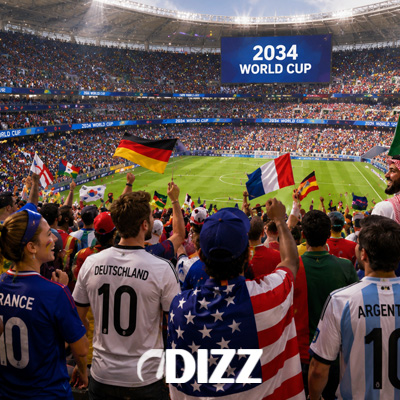
Hosting the World Cup represents one of the country’s largest international projects.
The objective is not limited to organizing football matches.
Instead, Saudi Arabia aims to create a tournament that showcases innovation and cultural experiences while strengthening its position as a destination for sporting events.
The World Cup forms part of a broader strategy to diversify the economy and attract international visitors throughout the coming decades.
Long-Term Objectives Behind the Tournament 🌍
Major goals include:
- Expanding international tourism
- Improving transportation networks
- Increasing sports participation
- Attracting foreign investment
- Supporting economic diversification
- Developing entertainment industries
- Creating long-term employment opportunities
These ambitions make the tournament much larger than a month of football competition.
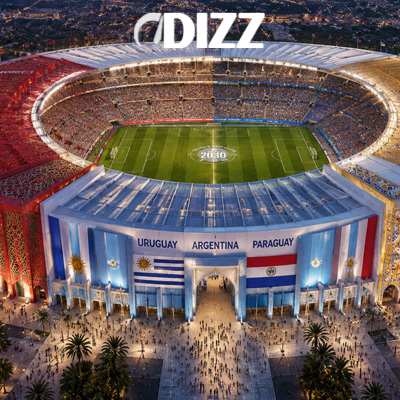
The 48-Team World Cup Returns ⚽
The competition is expected to continue using FIFA’s expanded format, allowing more countries to participate than ever before.
Instead of the traditional 32-team competition, the tournament should once again welcome 48 national teams from every continent, creating a more diverse and globally representative event.
The larger format also means additional group-stage fixtures and more knockout matches.
Supporters can anticipate:
- 48 participating nations
- 12 groups of four teams
- Eight third-place teams advancing
- Round of 32
- Round of 16
- Quarterfinals
- Semifinals
- World Cup Final
This structure rewards consistency while creating more opportunities for emerging football nations.
Five Main Regions Are Planned to Host 2034 World Cup Matches 🏙️
Rather than concentrating every match in one metropolitan area, Saudi Arabia plans to distribute games across several regions.
The proposed host locations include:
- Riyadh
- Jeddah
- Al Khobar
- Abha
- NEOM
Each city contributes different strengths, including transportation, tourism, hospitality, and newly developed sporting infrastructure.
As the capital, Riyadh is expected to host many of the tournament’s highest-profile matches.
The city combines modern business districts, expanding public transportation, international airports, and several planned stadiums capable of accommodating large crowds.
It is also expected to become the operational headquarters for many tournament activities.
Jeddah’s location on the Red Sea makes it one of Saudi Arabia’s primary international gateways.
Its airport, hotel capacity, coastal attractions, and established infrastructure position it as one of the tournament’s busiest destinations for visiting supporters.
The city is expected to welcome both group-stage and knockout-round matches.
Stadium Construction Will Be One of the Largest Projects 🏗️
The stadium program is among the most ambitious ever proposed for a FIFA World Cup.
Saudi Arabia plans to combine newly constructed venues with upgraded existing facilities, creating a nationwide network of modern football stadiums capable of hosting both domestic and international events after 2034.
Architecture, technology, accessibility, and long-term functionality have become central priorities throughout the planning process.
Features Expected Inside the New Stadiums ✨
Many venues are expected to include:
- Climate-control technology
- High-capacity seating
- Digital ticketing systems
- Premium hospitality areas
- Improved accessibility
- Smart crowd management
- Energy-efficient construction
These features aim to improve comfort for players, officials, and spectators alike.
Explore the history of football’s greatest winners and understand what separates World Cup champions from the rest.
Transportation Will Be Critical to Tournament Success 🚆
Efficient transportation remains essential for any modern World Cup.
Saudi Arabia is investing in airports, highways, metro systems, rail connections, and urban mobility projects designed to simplify travel between host cities, stadiums, hotels, and tourist attractions.
Improved transportation will also support long-term development after the tournament concludes.
Projects currently planned include:
- Airport expansion
- High-speed rail development
- Metro system improvements
- Highway modernization
- Public transportation upgrades
- Smart traffic management
Together, these investments are expected to significantly improve national connectivity.
Climate Could Influence 2034 World Cup Calendar ☀️
One of the remaining questions involves scheduling.
Summer temperatures across much of Saudi Arabia regularly become extremely high, making a traditional June-July tournament potentially challenging for players and supporters.
As a result, many observers expect FIFA to consider scheduling the competition during cooler months.
Tournament planning must account for:
- Regional climate
- Domestic league calendars
- International club competitions
- Broadcasting commitments
- Player recovery
- Global travel logistics
The official tournament dates will be announced in the coming years.
Qualification Will Welcome More Nations 🌎
The expanded competition creates greater opportunities for countries across every FIFA confederation.
Traditional football powers are expected to qualify once again, but additional places increase the possibility of seeing new nations reach the World Cup for the first time.
The broader qualification process continues FIFA’s objective of making international football more globally inclusive.
Countries Expected to Be Strong Contenders 🌟
Several nations are likely to remain among the favorites:
- Argentina
- Brazil
- France
- England
- Spain
- Germany
- Portugal
- Italy
- Netherlands
- Japan
At the same time, emerging football nations could benefit from the expanded qualification system.
Technology Will Shape the Fan Experience 💻
Modern technology is expected to play an even greater role than in previous tournaments.
Digital ticketing, advanced broadcasting, stadium connectivity, artificial intelligence, enhanced officiating tools, and interactive fan services may all become standard features by 2034.
The objective is to improve both the in-stadium and remote viewing experience. Possible developments include:
- AI-assisted match analysis
- Enhanced video review systems
- Smart stadium navigation
- Personalized mobile applications
- Real-time statistics
- Interactive digital experiences
Technology is expected to influence nearly every aspect of the competition.
Sustainability Will Be Closely Monitored 🌱
Large sporting events increasingly face expectations regarding environmental responsibility.
Saudi Arabia has announced sustainability objectives involving efficient construction methods, transportation planning, energy management, and long-term use of tournament infrastructure.
The effectiveness of these initiatives will depend on implementation over the coming decade.
Key focus areas include:
- Renewable energy
- Water conservation
- Energy-efficient stadiums
- Sustainable transportation
- Waste reduction
- Long-term venue utilization
Legacy planning will become as important as tournament operations themselves.
Watch Germany vs Ivory Coast live with tactical breakdowns, predicted lineups, key players, and FIFA World Cup 2026 Group E analysis.
Why the 2034 World Cup Is Already Generating Global Interest 🚀
The 2034 World Cup has attracted worldwide attention because of its scale, ambition, and long-term vision.
With 48 participating teams and one of the largest sporting investment programs ever undertaken, the tournament becomes one of football’s most memorable editions.
While many operational details will continue to evolve over the next several years, preparations already suggest that 2034 could redefine how future FIFA World Cups are organized.
FAQ
1. Which country will host the 2034 World Cup?
- Saudi Arabia will host the tournament.
2. How many teams will compete?
- The tournament is expected to feature 48 national teams.
3. Which cities are expected to host matches?
- Riyadh, Jeddah, Al Khobar, Abha, and NEOM are the proposed host locations.
4. Will new stadiums be built?
- Yes. The tournament plan includes numerous newly constructed venues alongside renovated existing stadiums.
5. What makes the 2034 World Cup different from previous editions?
- The combination of a 48-team format, and long-term economic planning makes it one of the most ambitious World Cups ever proposed.
