
2030 World Cup: Hosts, Format, Stadiums and Everything Fans Should Know
Understand the host countries, expected format, automatic qualifiers, stadium plans, historic importance, and what makes the 2030 World Cup edition unlike any before it.
The 2030 World Cup will be one of the most historic editions ever organized.
Unlike previous tournaments, this edition will be staged across multiple continents as part of a special celebration marking 100 years since the first FIFA World Cup in 1930.
Watch Germany vs Ivory Coast live with tactical breakdowns, predicted lineups, key players, and FIFA World Cup 2026 Group E analysis.
Why the 2030 World Cup Is Historic 🌍
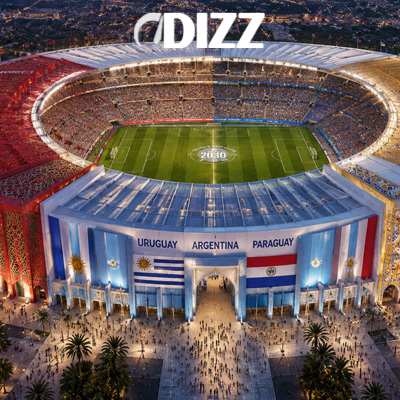
The 2030 edition will be remembered because it celebrates the centenary of the FIFA World Cup.
The first tournament was played in Uruguay in 1930, making the South American connection especially important.
By including matches in Uruguay, Argentina, and Paraguay, FIFA is recognizing the tournament’s historical roots while allowing Europe and Africa to host most of the competition.
This will also be the first World Cup spread across three continents, creating a truly global celebration of football.
The host structure includes:
- Spain
- Portugal
- Morocco
- Uruguay
- Argentina
- Paraguay
Spain, Portugal, and Morocco will stage most of the tournament, while the South American matches will serve as centenary celebration fixtures.
Main Host Nations for the 2030 World Cup 🇪🇸🇵🇹🇲🇦
Spain, Portugal, and Morocco form the main hosting partnership.
Spain brings major football infrastructure, iconic stadiums, and deep World Cup tradition.
Portugal adds passionate fan culture, strong stadium options, and a powerful national football identity.
Morocco becomes one of the central hosts after years of investment in football development and stadium infrastructure.
Together, these three countries create a tournament that connects European and African football in a way never seen before.
Morocco’s participation as a main host is especially important.
It strengthens Africa’s presence in the World Cup and reflects the country’s growing status in international football.
After Morocco’s strong performances in recent tournaments, hosting matches in the country adds symbolic and sporting importance to the 2030 edition.
South America’s Centenary Celebration 🇺🇾🇦🇷🇵🇾
Uruguay, Argentina, and Paraguay will each host one special match at the start of the tournament.
Uruguay’s inclusion is essential because it hosted and won the first World Cup in 1930.
Argentina was the runner-up in that first final, while Paraguay holds historical importance through CONMEBOL’s football administration.
These matches are designed to honor the origins of the competition before the tournament continues mainly in Spain, Portugal, and Morocco.
Uruguay has a unique place in World Cup history.
The first final was played in Montevideo, and Uruguay became the original world champion.
Bringing the tournament back there for the centenary creates a powerful historical connection between 1930 and 2030.
Expected Format for the 2030 World Cup 📊
The tournament is currently expected to follow the expanded 48-team format introduced for the 2026 World Cup.
That means the competition should include:
- 48 national teams
- 12 groups of four teams
- Top two teams from each group advancing
- Best third-place teams also progressing
- Round of 32
- Round of 16
- Quarterfinals
- Semifinals
- Final
This format creates more matches, more opportunities for emerging nations, and a longer knockout phase.
There has been discussion about a possible one-time expansion to 64 teams because of the centenary celebration.
However, the official plan remains a 48-team tournament unless FIFA confirms a future change. For now, fans should expect the same basic structure used in 2026.
Automatic Qualification for Host Nations ✅
Because six countries are involved in hosting, the automatic qualification situation is one of the most interesting parts of the 2030 World Cup.
The host nations expected to qualify automatically are:
- Spain
- Portugal
- Morocco
- Uruguay
- Argentina
- Paraguay
This gives the tournament immediate star power, especially with traditional football nations such as Spain, Portugal, Argentina, and Uruguay already included.
Automatic qualification allows host countries to prepare earlier and focus on tournament planning.
It also guarantees strong local interest in each host nation, creating packed stadiums, stronger fan engagement, and a more intense atmosphere throughout the event.
Stadiums and Host Cities 🏟️
The final list of stadiums has not been fully confirmed, but several iconic venues are expected to play major roles.
Spain could offer stadiums in cities such as Madrid, Barcelona, Seville, Bilbao, and Valencia.
Portugal is expected to rely on major venues in Lisbon and Porto. Morocco may use modern stadiums in cities such as Casablanca, Rabat, Tangier, and Marrakech.
South American celebration matches are expected to include historically important venues. Potential venues include:
- Santiago Bernabéu
- Camp Nou
- Estádio da Luz
- Estádio do Dragão
- Grand Stade de Tanger
- Prince Moulay Abdellah Stadium
- Estadio Centenario
- Estadio Monumental
The final venue selection will depend on FIFA inspections, infrastructure requirements, and stadium readiness.
Watch Brazil vs Haiti live with tactical insights, predicted lineups, team news, and key FIFA World Cup 2026 Group C implications.
Travel and Logistics Challenges ✈️
The 2030 World Cup will be ambitious because of its geographic scale.
Hosting matches across Europe, Africa, and South America creates major planning demands involving travel, scheduling, recovery time, broadcasting, security, and fan movement.
Teams playing in South America at the start may need special travel planning before moving to the main tournament locations.
Scheduling must protect player recovery and competitive balance.
Because of the long-distance travel involved, FIFA will need to organize rest days carefully and avoid giving any team an unfair disadvantage due to travel demands.
What Fans Can Expect From the Tournament 🌟
Fans should expect a World Cup with strong cultural variety, historic symbolism, and some of the most passionate football environments in the world.
Spain and Portugal bring European football tradition, Morocco brings African energy and atmosphere, while South America adds historical emotion to the centenary celebration.
This combination could create one of the most visually and culturally distinctive tournaments ever staged.
The 2030 World Cup will not feel like a normal tournament.
It will be a celebration of 100 years of football history, bringing together countries, stadiums, fans, and traditions from different parts of the world.
Early Favorites for the 2030 World Cup 🏅
It is still too early to know which teams will arrive in the best form, but several traditional powers are expected to be among the favorites.
Possible contenders include:
- Brazil
- Argentina
- France
- Spain
- England
- Portugal
- Germany
- Morocco
The final picture will depend on qualification, squad development, injuries, coaching changes, and player form closer to 2030.
Why the 2030 Field Could Be Very Competitive 📈
The expanded format gives more nations a chance to qualify, but winning the tournament will remain extremely difficult.
The eventual champion will need squad depth, tactical flexibility, elite fitness, and the ability to manage pressure across a long competition.
What Makes the 2030 World Cup Different 🚀
The 2030 World Cup stands apart because it combines history, geography, and modern football development in one tournament.
It will celebrate the origins of the World Cup in South America while placing most of the tournament in Spain, Portugal, and Morocco.
That structure makes it more than a sporting event. It becomes a global anniversary of football’s most important competition.
For fans, the tournament promises elite matches, iconic stadiums, cultural diversity, and a unique celebration of 100 years of World Cup history.
FAQ
1. Who will host the 2030 World Cup?
- Spain, Portugal, and Morocco will be the main hosts, while Uruguay, Argentina, and Paraguay will host special centenary matches.
2. Why is the 2030 World Cup special?
- It marks 100 years since the first FIFA World Cup, which was played in Uruguay in 1930.
3. How many teams will play in the 2030 World Cup?
- The official plan is for 48 teams, following the expanded format introduced in 2026.
4. Which countries qualify automatically?
- Spain, Portugal, Morocco, Uruguay, Argentina, and Paraguay are expected to qualify automatically as host nations.
5. Where will the 2030 World Cup final be played?
- The final venue has not been confirmed yet, but major stadiums in Spain and Morocco are among the expected candidates.
