
Marine Biology Courses That Prepare You for Advanced Ocean Research and Global Environmental Careers
Explore the most complete guide to marine biology courses and learn how to build a successful future in ocean science.
The study of ocean life is one of the most fascinating and impactful scientific fields today.
With oceans covering the majority of our planet, understanding marine ecosystems has become essential for environmental protection, climate research, and biodiversity preservation.
Marine courses offer the academic and practical foundation needed to explore these complex systems and develop solutions to global challenges.
Ready to unlock instant approval credit cards with fast decisions, digital card access, and powerful rewards? Discover the best 2025 cards!
Why Marine Biology Courses Are Essential in a Changing World 💼
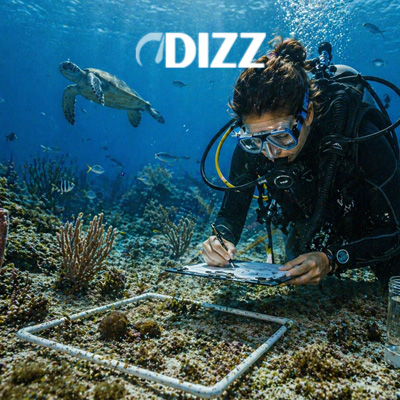
The increasing urgency of environmental issues has placed marine science at the center of global research.
Climate change, ocean acidification, and habitat destruction are creating new challenges that require highly trained professionals.
These programs prepare students to analyze ecosystems, understand marine biodiversity, and develop conservation strategies.
In addition, the knowledge gained extends beyond environmental science, contributing to industries such as biotechnology, pharmaceuticals, and sustainable fisheries.

Complete Academic Path From Beginner to Expert 📊
Beginner Marine Biology Courses and Scientific Foundations 🔍
At the beginner level, students are introduced to the basic principles of marine science.
These courses focus on understanding how marine organisms interact with their environment and how ecosystems function.
Students explore ocean zones, marine species, and ecological relationships. The goal is to develop a strong conceptual framework that will support more advanced learning.
In addition, students begin to understand the role of environmental factors such as temperature, salinity, and currents in shaping marine life.
These early concepts are essential for future specialization.
Key learning areas include:
- Ocean structure and marine ecosystems
- Basic marine organism classification
- Ecological interactions and food webs
- Introduction to environmental conservation
Intermediate Marine Biology Courses With Fieldwork and Data Analysis ⚙️
Intermediate marine biology courses focus on applying theoretical knowledge through practical experiences.
This stage introduces students to fieldwork, laboratory techniques, and scientific data analysis.
Students may participate in coastal surveys, water quality testing, and species identification projects.
These activities help develop technical skills that are essential for professional research.
Another important component is data interpretation. Students learn how to analyze environmental data, identify trends, and draw scientific conclusions.
This prepares them for more complex research tasks.
Key components include:
- Field sampling and marine observation techniques
- Laboratory analysis of biological samples
- Data collection and statistical interpretation
- Study of oceanographic processes and environmental impact
Advanced Marine Biology Courses and Research Specializations 📈
Advanced marine biology courses are designed for students pursuing careers in research, academia, or specialized industries.
These programs often include bachelor’s, master’s, and doctoral degrees.
At this level, students engage in independent research projects, often focusing on specific areas such as coral reef ecosystems, marine genetics, or deep-sea biology.
This stage requires strong analytical skills and the ability to conduct complex scientific investigations.
Students also collaborate with research institutions, gaining experience in real-world scientific environments. This exposure is critical for building a professional career.
Specialization areas include:
- Marine conservation and ecosystem restoration
- Deep-sea and polar marine research
- Marine biotechnology and genetic studies
- Fisheries management and sustainability
Advanced Skills Developed Through Marine Biology Courses 🧠
Completing marine biology courses provides a comprehensive set of skills that are highly valuable in scientific and environmental careers.
Students develop strong analytical capabilities, enabling them to interpret complex datasets and understand ecological patterns.
Critical thinking is also emphasized, allowing individuals to design experiments and solve environmental challenges.
Technical skills such as laboratory procedures, field research methods, and scientific writing are essential components of training.
These abilities are necessary for conducting research and communicating findings effectively.
Key skills include:
- Scientific research design and methodology
- Advanced data analysis and interpretation
- Fieldwork and environmental monitoring techniques
- Professional communication and reporting
Cost and Duration of Marine Biology Courses Across Different Levels 📊
| Course Level | Duration | Average Cost |
| Introductory | 4–12 weeks | $0 – $400 |
| Certificate | 3–9 months | $400 – $2,000 |
| Bachelor’s Degree | 3–4 years | $20,000+ |
| Graduate Programs | 2–6 years | $25,000+ |
Advantages and Challenges of Marine Biology Courses ⚖️
Advantages
- Opportunities to work in unique marine environments
- Contribution to global environmental conservation efforts
- Diverse career paths in science and industry
- Hands-on experience through field and laboratory work
Challenges
- Competitive job market in specialized areas
- Fieldwork can be physically demanding and require travel
- Advanced degrees often necessary for higher-level positions
How to Choose the Best Marine Biology Courses for Your Goals 🎯
Selecting the right program requires careful consideration of your interests and career objectives.
Students should evaluate course content, accreditation, and opportunities for practical experience.
Programs that include internships, research projects, and fieldwork provide a significant advantage.
Additionally, choosing a specialization early can help focus your career path and increase your chances of success.
Free shein clothes explained for US shoppers. Learn how it works, who qualifies and how to maximize results in 2026.
Build a Global Career With Marine Biology Courses 🚀
The importance of ocean science continues to grow as the world faces environmental challenges that require innovative solutions.
Marine biology courses provide the knowledge and skills needed to explore marine ecosystems, protect biodiversity, and contribute to scientific advancement.
By following a structured learning path and gaining practical experience, you can build a career that combines passion, science, and global impact.
FAQ ❓
- What are marine biology courses?
- They are programs focused on studying marine life, ecosystems, and ocean science.
- Can I start marine biology with no experience?
- Yes, beginner courses are designed for students with no prior background.
- How long does it take to complete training?
- It depends on the level, ranging from weeks to several years.
- Are there online options available?
- Yes, many platforms offer online courses for different levels.
- What careers can I pursue after studying marine biology?
- Careers include research, conservation, environmental science, and policy analysis.
