
Kawasaki Ninja Financing in 2025: Unlocking Performance Through Smart Payments
Discover how Kawasaki Ninja financing helps you own top Ninja models with flexible terms and affordable payments.
With price tags from $6,000 to over $30,000, financing is essential. That’s where Kawasaki Ninja financing comes in, allowing enthusiasts to bring home their machine without draining savings.
Searching for a sportbike that combines affordability with excitement? See if the Kawasaki Ninja 400 cost makes it one of the best options.
Know Why Kawasaki Ninja Financing Is Popular in 2025 🏍️
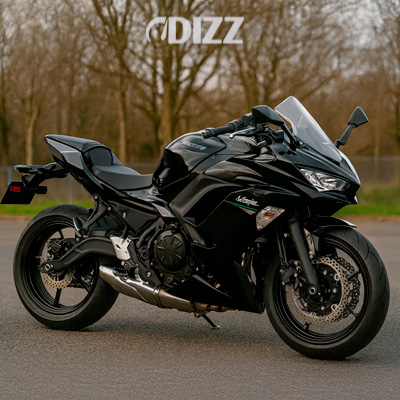
Riders choose financing because it allows:
- Immediate ownership with manageable monthly costs.
- Access to premium models like the ZX-10R or H2.
- Credit-building potential with consistent repayment.
- Flexibility through multiple lenders and loan lengths.
- Preservation of savings, since buyers don’t need to pay upfront.
Unlock the keys to motorcycle loan approval in 2025!

How Ninja Financing Works 💳
Much like auto loans, motorcycle financing spreads costs across months or years. Riders apply with lenders, get approval, and repay with interest.
The Financing Process Step by Step 📋
- Application: Submit proof of ID, income, and employment.
- Credit analysis: Lenders review your credit score and financial health.
- Loan terms: APR, repayment period, and monthly cost are set.
- Funds disbursement: Dealers or sellers are paid directly.
- Repayment: Monthly payments until the loan is satisfied.
Requirements for Financing ✅
To qualify, lenders look at:
- Credit score: 670+ preferred for best rates.
- Income proof: Verified stable income improves approval.
- Down payment: 10–20% often recommended.
- Motorcycle eligibility: Easier for new or certified pre-owned Ninjas.
See the Pros and Cons of Financing ⚖️
Pros:
- Ride now, pay over time.
- Ability to finance top-tier sportbikes.
- Flexible loan terms.
- Credit score growth potential.
Cons:
- Interest increases total cost.
- Risk of negative equity.
- Stricter terms for weaker credit.
- Higher insurance premiums for financed bikes.
Best Kawasaki Ninja Financing Sources 🏦
Options for riders include:
- Credit unions: Lower APRs and member-focused service.
- Banks: Reliable but stricter.
- Dealerships: Convenient with manufacturer promotions.
- Online lenders: Digital-first, fast approval.
Compare Kawasaki Ninja Financing Options 📊
| Lender Type | APR Range | Loan Terms |
| Credit Unions | 5% – 8% | 24–72 months |
| Banks | 6% – 10% | 24–60 months |
| Dealerships | 7% – 12% | 12–72 months |
| Online Lenders | 6% – 11% | 24–60 months |
Thinking about upgrading to a powerful cruiser? See how the Honda Rebel 900 blends classic styling with modern performance.
Discover Kawasaki Ninja Models Financed in 2025 🏁
Kawasaki Ninja 400 ⚡
The Ninja 400 is a favorite among beginners thanks to its affordability and approachable performance.
With a 399cc parallel-twin engine producing 47 horsepower, ABS brakes, LED headlights, and lightweight chassis, it offers stability for new riders.
Financing terms often stretch between 36 and 60 months, with payments under $150 monthly, making it one of the easiest Ninjas to own.
Kawasaki Ninja 650 🛣️
A step up from entry-level models, the Ninja 650 delivers a 649cc parallel-twin engine with 67 horsepower.
Known for its upright ergonomics, full fairing design, and TFT color display, it balances everyday usability with sportbike excitement.
With a price around $9,000, financing makes it accessible to riders upgrading from the Ninja 400, often through credit unions with competitive APRs.
Kawasaki Ninja ZX-6R 🏆
The ZX-6R is a middleweight supersport priced around $12,500.
Featuring a 636cc inline-four engine producing 128 horsepower, advanced traction control, quick-shifter, and Showa suspension, it’s a bike that thrives on the track while remaining road-legal.
Financing spreads payments for enthusiasts who want performance without full upfront cost.
Kawasaki Ninja ZX-10R 🔥
The ZX-10R is Kawasaki’s racing legend, priced between $17,000 and $18,000.
Equipped with a 998cc inline-four engine making 200 horsepower, aerodynamic fairings, launch control, and MotoGP-inspired electronics, it’s built for riders seeking world-class track capability.
Financing packages often extend to 72 months, keeping monthly payments reasonable for a superbike of this caliber.
Kawasaki Ninja H2 🌍
The Ninja H2 represents the pinnacle of Kawasaki performance, with a supercharged 998cc engine producing 228 horsepower.
It includes carbon-fiber accents, Brembo brakes, electronic rider aids, and aerodynamic design that sets it apart.
At over $30,000, financing is the only way most riders can access it, with lenders offering extended terms and promotional rates during sales events.
Tips for Maximizing Kawasaki Ninja Financing 📝
- Boost your credit score before applying.
- Save for a down payment to reduce overall costs.
- Compare multiple lenders for competitive APRs.
- Choose repayment terms that balance affordability with interest.
- Look for seasonal deals, especially on high-end Ninja models.
Kawasaki Ninja Financing Brings High Performance Within Reach 🌟
In 2025, kawasaki ninja financing ensures riders of all skill levels can own a Ninja that matches their goals.
From the affordable Ninja 400 to the hyper-performance Ninja H2, financing transforms aspirations into reality.
By preparing financially, exploring lenders, and negotiating terms, riders can confidently take home the Kawasaki Ninja of their dreams.
FAQ ❓
- What credit score do I need for kawasaki ninja financing in 2025?
- Most lenders prefer 670+, but some accept fair credit with higher APRs.
- Can I finance new and used Kawasaki Ninja models?
- Yes, financing is offered for both new and certified pre-owned Ninjas.
- How much should I expect to put down for kawasaki ninja financing?
- A 10–20% down payment is typical, though promotions may reduce requirements.
- Do dealerships offer special promotions on Ninja motorcycles?
- Yes, Kawasaki dealerships often provide seasonal financing offers and incentives.
- What is the greatest risk of kawasaki ninja financing?
- The main risk is negative equity, when the loan balance is higher than the bike’s value.
